The project titled “Strengthening climate resilience of subsistence farmers and agricultural plantation communities residing in the vulnerable river basins, watershed areas and downstream of the Knuckles Mountain Range Catchment of Sri Lanka”, is six years in duration and is funded principally by the Green Climate Fund with co-financing from the Government of Sri Lanka. The project focuses on overcoming barriers and constraints that land users face when adapting to climate change.
Project Area
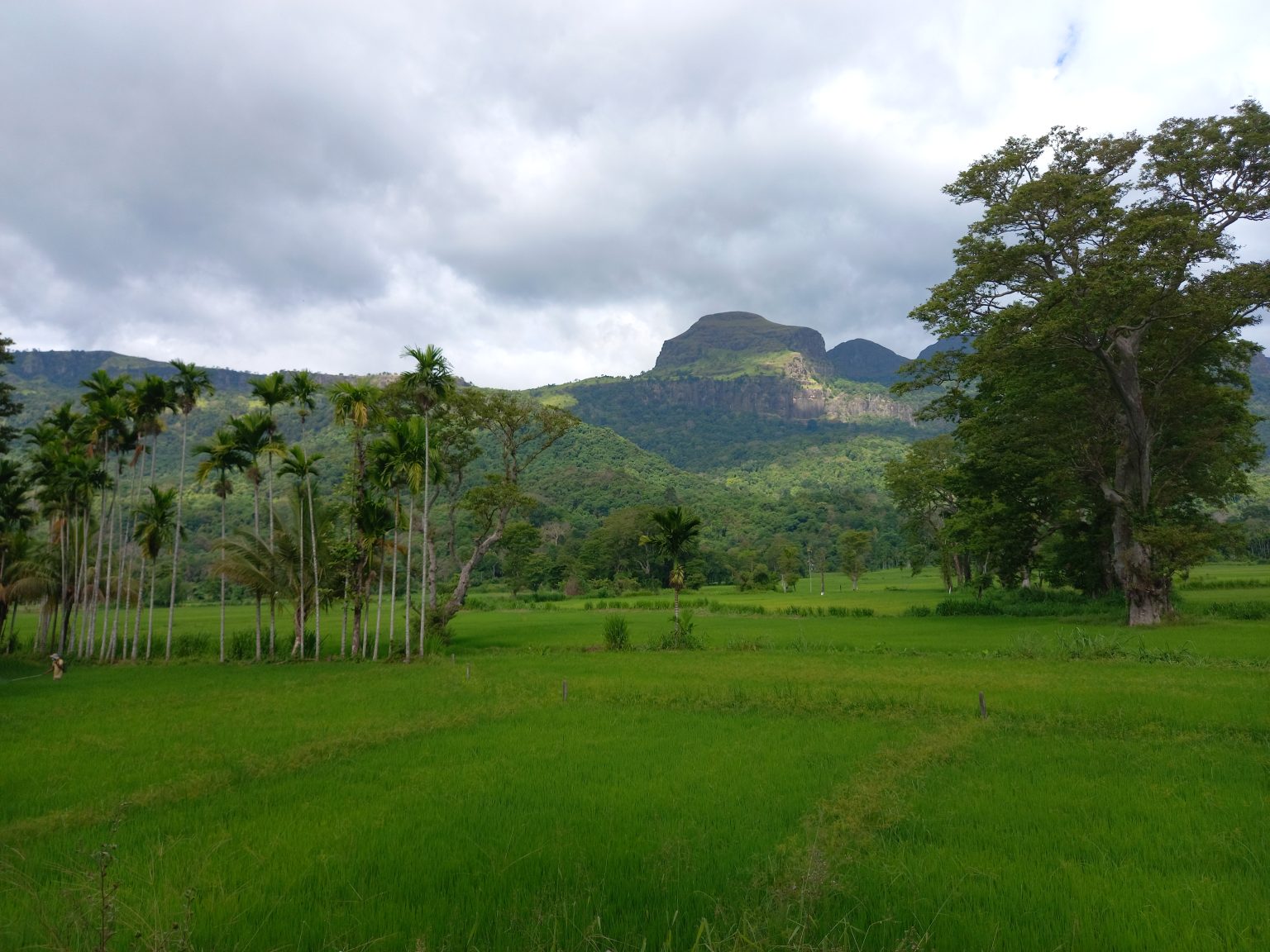
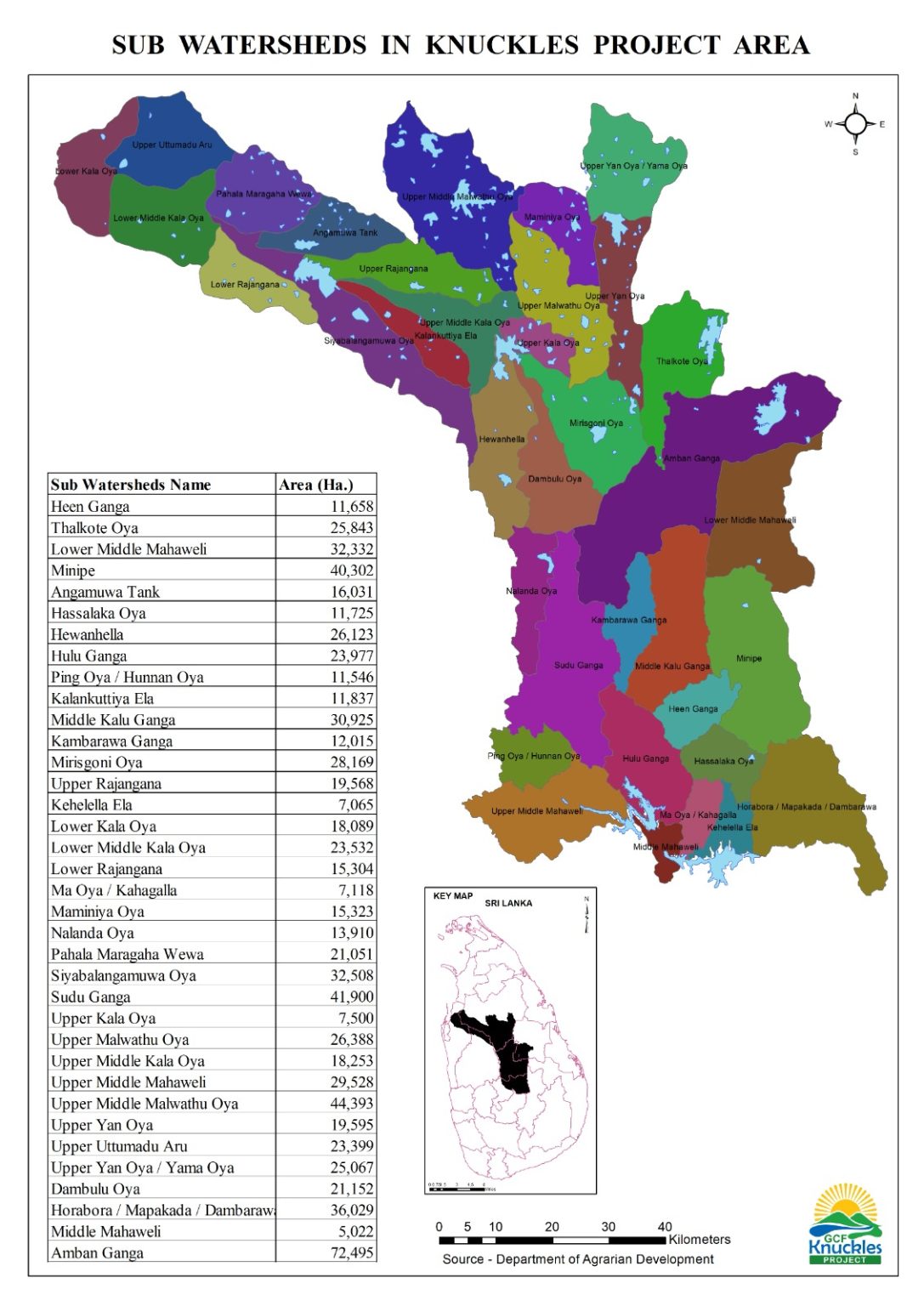
The treatment terrain spans across the Kandy, Matale, Kurunegala, Polonnaruwa, Anuradhapura and Puttalam Districts within which, 46 Divisional Secretaries Divisions (DSDs) were selected for treatment with a combined total of 1,533 Grama Niladhari Divisions (GNDs). The total geographic land mass covered by the project is 7,013km2 (701,305 hectares). The total population in the target terrain is 2,055,650 individuals of which the female population is 1,071,778 (52.1%) and the male population is 983,872 (49.9%). There are 608,828 families and 614,017 dwellings; 61,264 families (10%) are female headed.
Climate rationale
The GCF-Knuckles project aims to build resilience of climate vulnerable families in both upstream and downstream areas. Towards this ultimate goal, it will use a constellation of targeted activities that will improve the adaptive, coping, rebound, threshold and transformative capacities of both human and natural systems targeting primarily, the Knuckles water fountain.
Given the fractured nature of the treatment terrain, an options by context approach will be utilized to fine-scale the intervention to microgeographies while an adaptive approach to management will determine how decisions are made and adjustments are done in response to new information and changes in context.
PROJECT COMPONENTS
Component 1: Climate-Resilient Sustainable Land Management
This component envisages the implementation of output 1.1 ‘Improved land and water management in upstream catchment areas to safeguard production of environmental goods and services’, which comprises of the following three activities
Activity 1.1.1.
Streamside protection and drainage management along roads
Activity 1.1.2.
Rehabilitation and establishment of village tanks, ponds and irrigation networks
Activity 1.1.3.
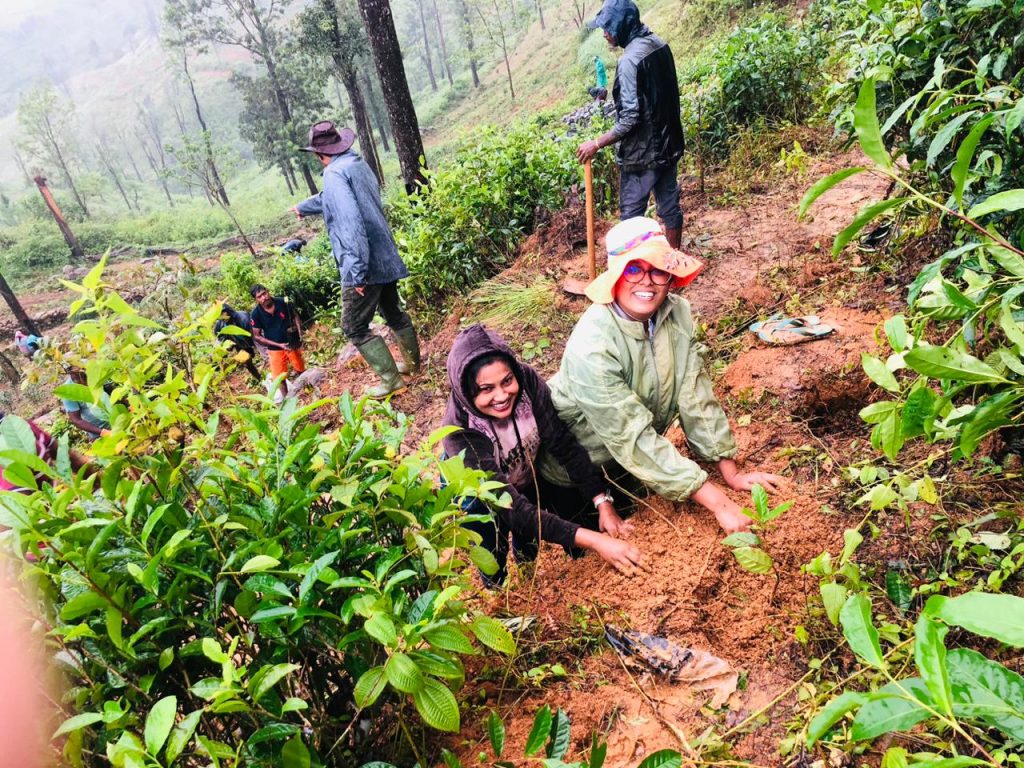
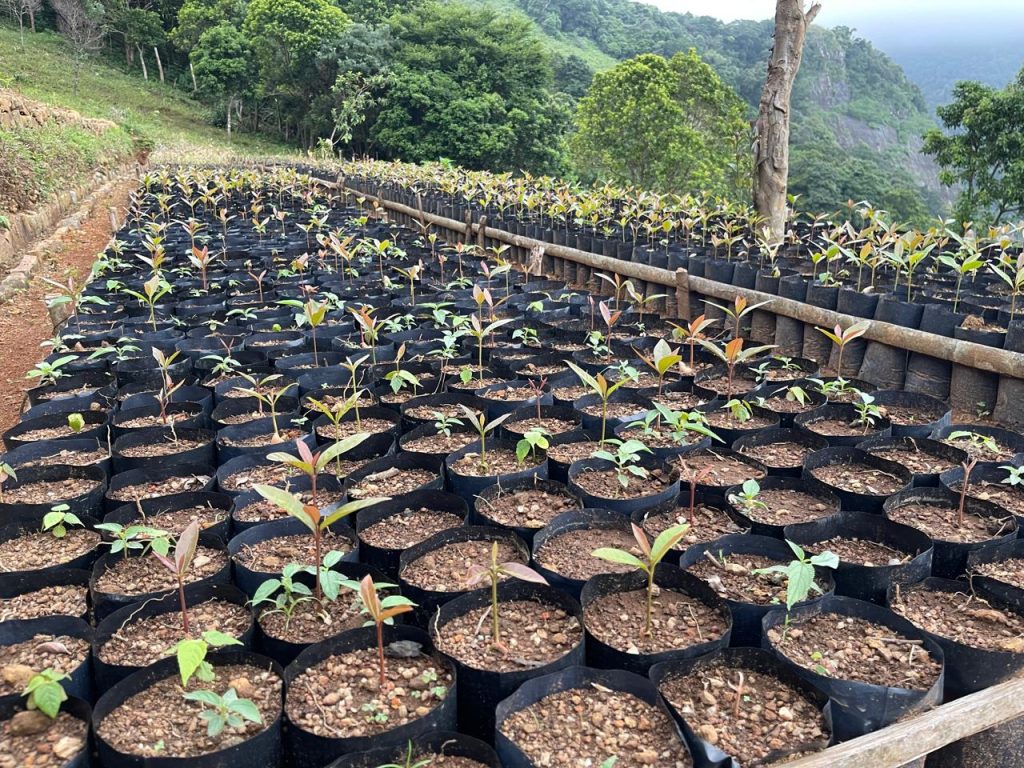
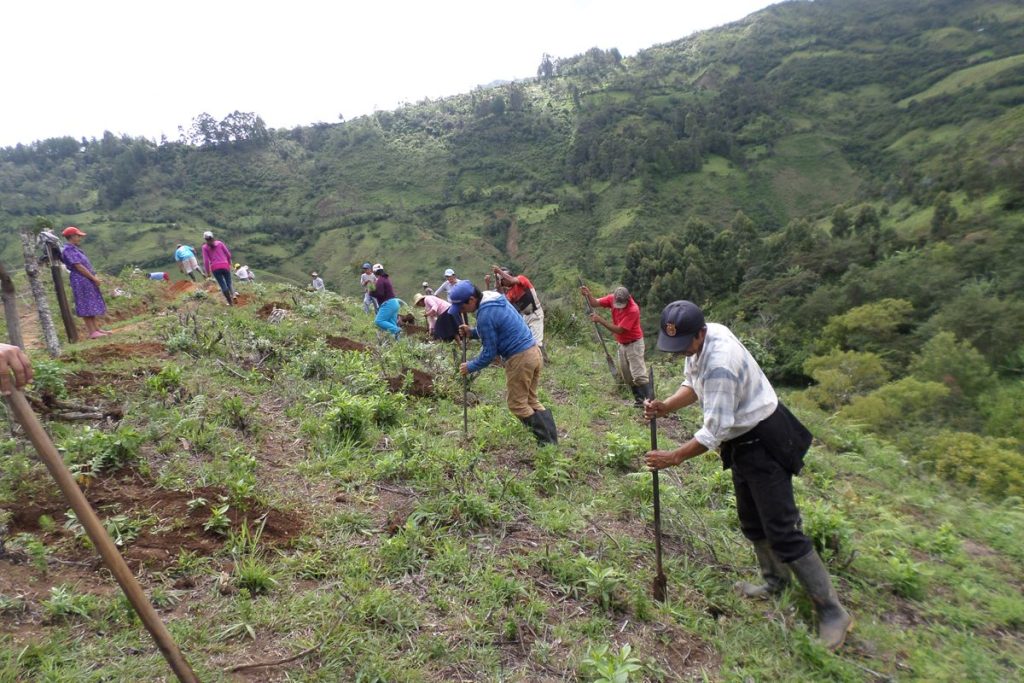
Restoration of forest mosaic landscapes
This component also envisages the implementation of output 1.2, ‘Sustainable climate-resilient primary production in upstream catchment areas and downstream irrigated agricultural area’, which comprises of the following three (3) activities activities
Activity 1.2.1.
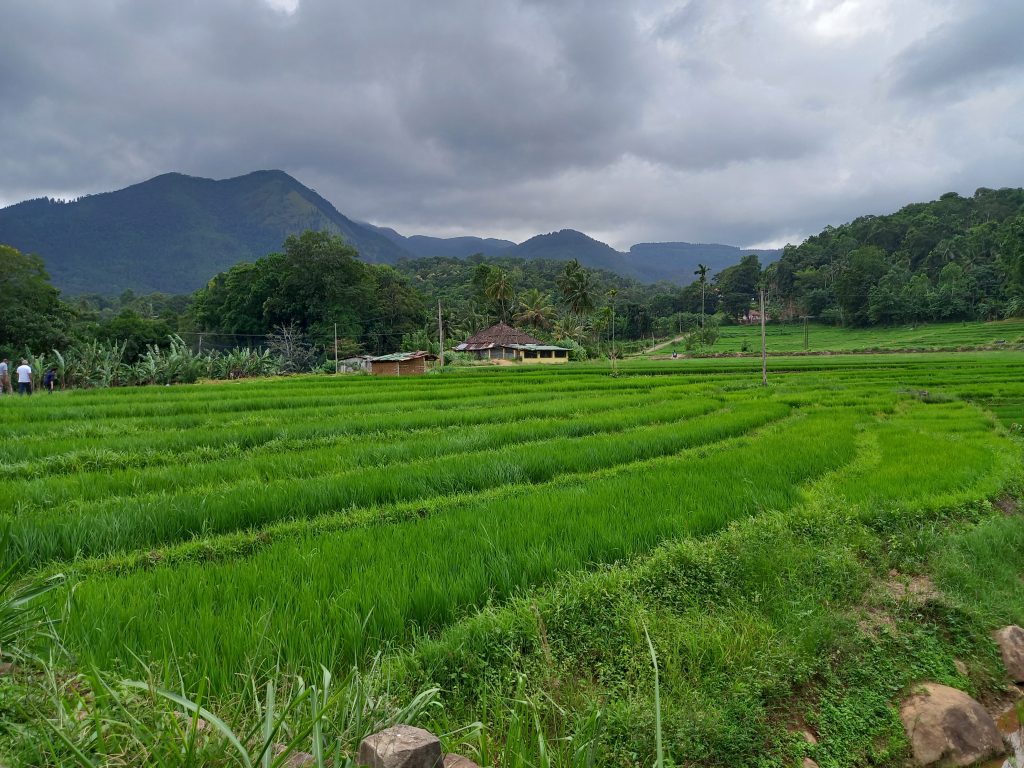
Increasing cropping intensity of irrigated rice in both upstream and downstream areas
Activity 1.2.2.
Intensification of sustainable smallholder production
Activity 1.2.3.
Restoration and intensification of sustainable plantations
Component 2: Secure Financing Mechanisms for Sustainable Land Management
This component envisages the implementation of output 2.1 ‘Upgraded and more efficient green value chains and increased links to new markets developed’, which comprises of the following three (3) activities:
Activity 2.1.1.
Conduct domestic value chain mapping and green market assessments for products especially from smallholder and subsistence farmers
Activity 2.1.2.
Provide technical support for enterprise and institutional development to exploit green growth opportunities for smallholder farmers in the uplands
Activity 2.1.3.
Identification and implementation of value chain upgrading options for smallholder and subsistence farmers engaged in climate smart agriculture
This component also envisages the implementation of output 2.2 ‘Payment for Ecosystem Services (PES) mechanism established’, which comprises of the following three (3) activities:
following three (3) activities activities
Activity 2.2.1.
Developing a portfolio of business cases for negotiating performance-based financial transfer mechanisms
Activity 2.2.2.
Setting up a PES intermediary body as a part of the multi-stakeholder platform, and its governance system established
Activity 2.2.3.
Establish a monitoring system for PES schemes in the upstream catchment area
Component 3: Institutional capacity strengthened
This component envisages the implementation of output 3.1 ‘Governance mechanism for sustainable land management and productivity enhancement in the upstream catchment area established, which comprises of the following three (3) areas.
Activity 3.1.1.
Develop an integrated Land Use Policy and Planning Mechanism at Sub-Basin Scale
Activity 3.1.2.
Develop a shared Information System to Support Land Use Planning, Climate Adaptation, Market Information and Monitoring of The Performance of Intervention Options
Activity 3.1.3.
Development And Refinement of SLM Framework
This component also envisages the implementation of output 3.2 ‘Integrated rural advisory capacity responsive to developing knowledge base, real time weather and market information created, which comprises of the following three (3) activities.
Activity 3.2.1:
Establishment of nested-scale multi-stakeholder innovation platforms from sub-basin to GN scale
Activity 3.2.2:
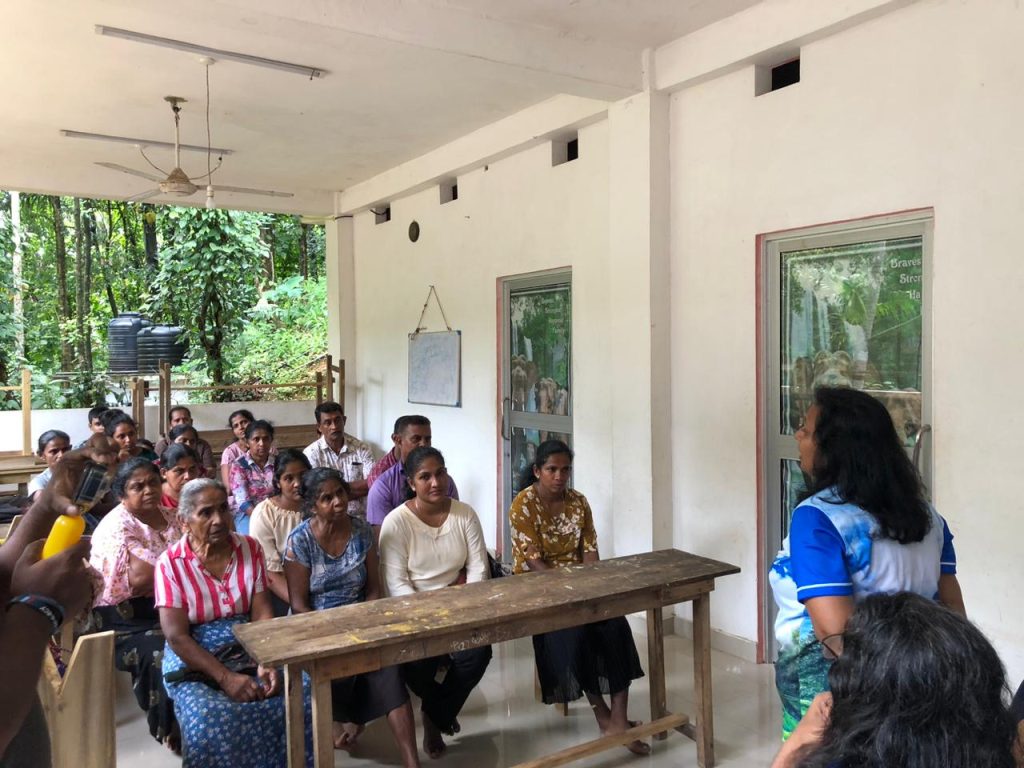
Develop local capacity for adaptive and sustainable land management
Activity 3.2.3:
Development and production of simple to use guidelines, manuals and tools for matching options to context and implementing SLM, sustainable intensification and value chain upgrading options